The IJC Team
Dedication. Expertise. Passion.
We are a dedicated team committed to advancing culturally relevant legal services for our clients.

Executive Director
Lindsay Fleury
Lindsay Fleury is a member of the Otipemisiwak Metis Government of Alberta with family connection to One Arrow First Nation in Saskatchewan and is a mother to three boys. She has over 20 years of business management experience and is expecting to have her Bachelor of General Studies – Majoring in Applied Studies summer 2026. She is a panel member for the Calgary Aboriginal Restorative Youth Justice Committee, a member of Alberta Court of Justice Access to Justice Through an Indigenous Lens Committee, a member of Calgary Legal Guidance - Indigenous Advisory Council, and is appointed to Calgary Aboriginal Urban Affairs Committee for a two-year term. She has walked the path of the Red Road and the work it took to overcome intergenerational trauma. The wisdom she has gained and continues to gain is an important and integral part of her leadership for her team and service for the organization's clients. She plans on taking Blackfoot and Cree language classes next year.

Director of Legal Services
TBA

Legal Counsel
Heath Milo
Heath was called to the Alberta Bar in 2019 and is driven by a commitment to restorative justice and systemic reform. His dedication was sparked by studying the history of Treaty 7 First Nations and recognizing the stark overrepresentation of Indigenous persons within the Canadian criminal justice system.
Heath adopts a deeply client-focused approach, viewing legal advocacy as a two-way street of representation and learning. By listening to the lived experiences of those he serves, he seeks to bridge the gap between legal defense and cultural understanding.
Heath centres his personal life around his family and finds inspiration every day from his two daughters.
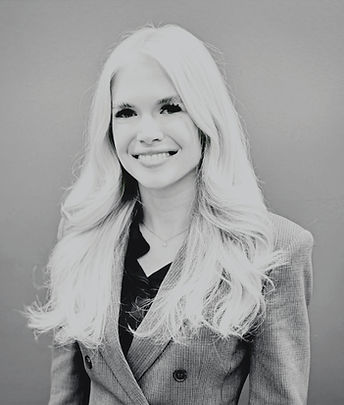
Legal Counsel
Margaret Morse
Margaret (Margo) is committed to providing culturally informed and client-centred legal advocacy. She earned her Juris Doctor from the University of New Brunswick, where she developed a strong interest in criminal law and issues affecting Indigenous communities within the legal system. She was called to the Alberta Bar July 2024.
Her work is grounded in a strong commitment to justice, particularly for Indigenous people who are disproportionality impacted by the criminal legal system. She is deeply passionate about working with Indigenous people and contributing to a justice system that is fairer, more accessible, and responsive to the impacts of colonialism. Margaret’s practice is grounded in respect, advocacy, and meaningful community engagement.

Program Manager
Sharon Cyrenne
Sharon is a Syilx mother, grandmother, and aunty with lived and living experience as the daughter and granddaughter of survivors of the Kamloops Indian Residential School. Her family ties are to the Okanagan Nation in BC and to the Colville Confederated Tribes in Washington state. She brings over 30 years of professional experience and a deep commitment to Indigenous communities, relationship building, and meaningful change. Sharon approaches her work through a relational, trauma-informed, and community centred lens, recognizing the importance of listening deeply, honouring lived experience, and building spaces where people feel safe, respected, heard, and supported. She is passionate about advancing reconciliation, and helping create more accessible and culturally responsive pathways to justice.

Team Lead Justice Navigator
Jennifer Bear
Tansi’ Jennifer Bear nisiyikason (is my name),
is a nehiyawiskwew (Cree woman), from Flying Dust First Nation, Saskatchewan in Treaty 6 territory, raised in Regina, Sask. She moved to Mohkinstsis (Calgary) in 2020 with her four children, unsure of where her path would lead her. Today she is very proud to say that she is Team Lead Justice Navigator with the IJC. In her role, she supports the Indigenous population and is able to connect with the community which allows her to use her natural strengths. She has completed additional training in trauma informed care, mental health supports and land based tools for wellness and front line trauma work.

Justice Navigator
Shaylee Ledoux
Shaylee Ledoux is a member of the Metis Nation of Alberta with a degree in Sociology and a minor in Women and Gender Studies. Her academic background has strengthened her understanding of social systems, inequality, and the impacts of intersecting identities. She has professional experience working in the mental health field, supporting youth with disabilities as well as individuals experiencing homelessness. Through this work, she has developed a strong commitment to advocacy, trauma-informed care, and community-based support. She is passionate about creating inclusive, respectful spaces and contributing to services that empower individuals and communities.

Indigenous Background
Report Writer
Taylor McMaster
In House Indigenous Report Writer
Legal Assistant
Hailee St. Denis
Hailee is from Treaty 6 Territory and began her career in healthcare before transitioning into the legal field. As a Legal Assistant at the IJC, she brings a supportive and detail-oriented approach to her work and values creating a welcoming and respectful environment for both clients and colleagues.
She believes in the importance of culturally informed care and understands the value of making people feel heard, respected, and supported. She is always willing to help wherever she can and enjoys being part of a team that is committed to supporting Indigenous people and making a meaningful difference in the community

Reception/Legal Assistant
Keira Hancock
Keira Hancock is a member of Beausoleil First Nations from Georgian Bay, Ontario, in Lake Huron. She grew up in Cold Lake, Alberta, where she connected with Indigenous communities across Treaty 6 territory. These experiences deepened her passion for working alongside and advocating for Indigenous peoples.
Keira recently graduated from the University of Calgary with a Bachelor of Science in Psychology and a Minor in International Indigenous Studies. Her previous work with Indigenous communities focused primarily on victim advocacy related to the Missing and Murdered Indigenous Women and Girls (MMIWG) Crisis through the National Cold Case Initiative and the Missing and Murdered Database. Through this work, Keira’s goals have expanded to eventually pursuing law school, where she hopes to contribute to the process of restorative justice.